Sudbury Impactite

A NEW SITE!
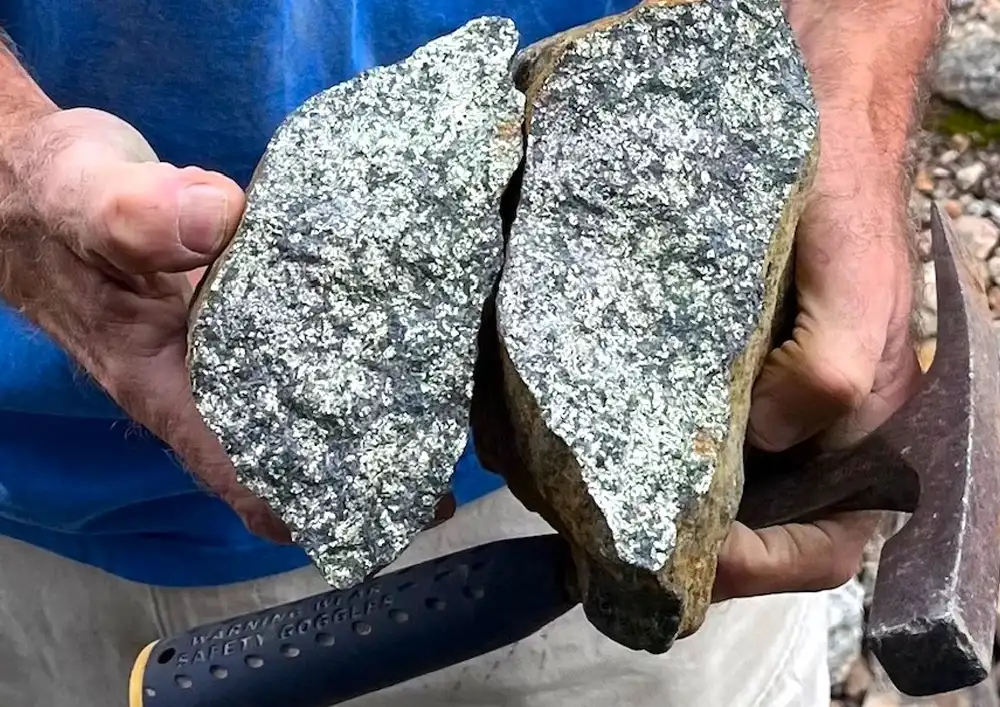
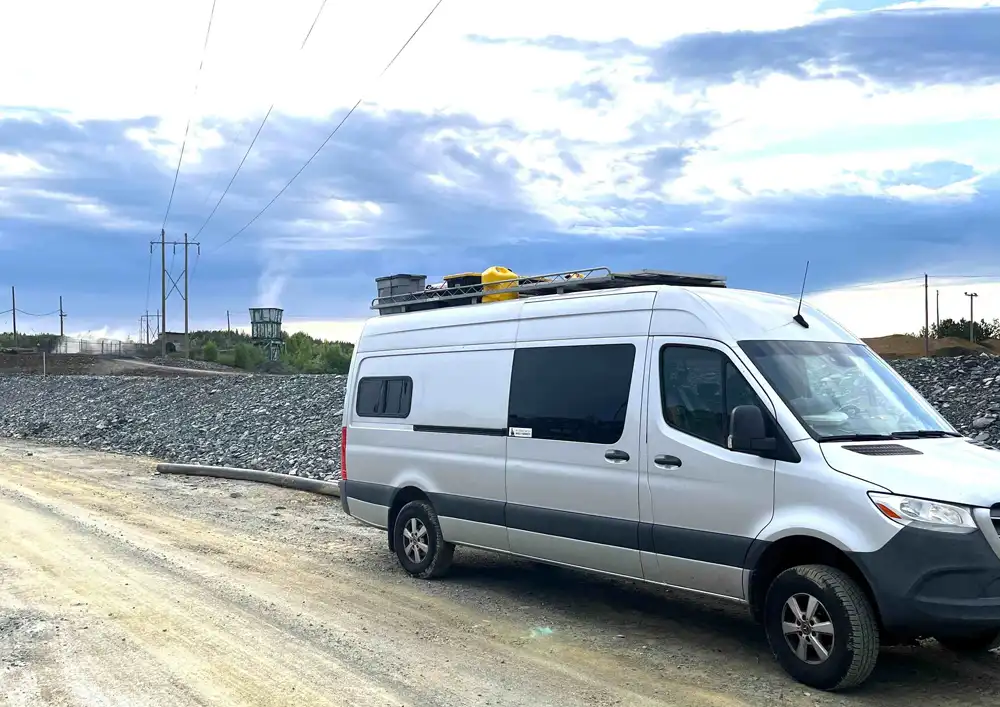
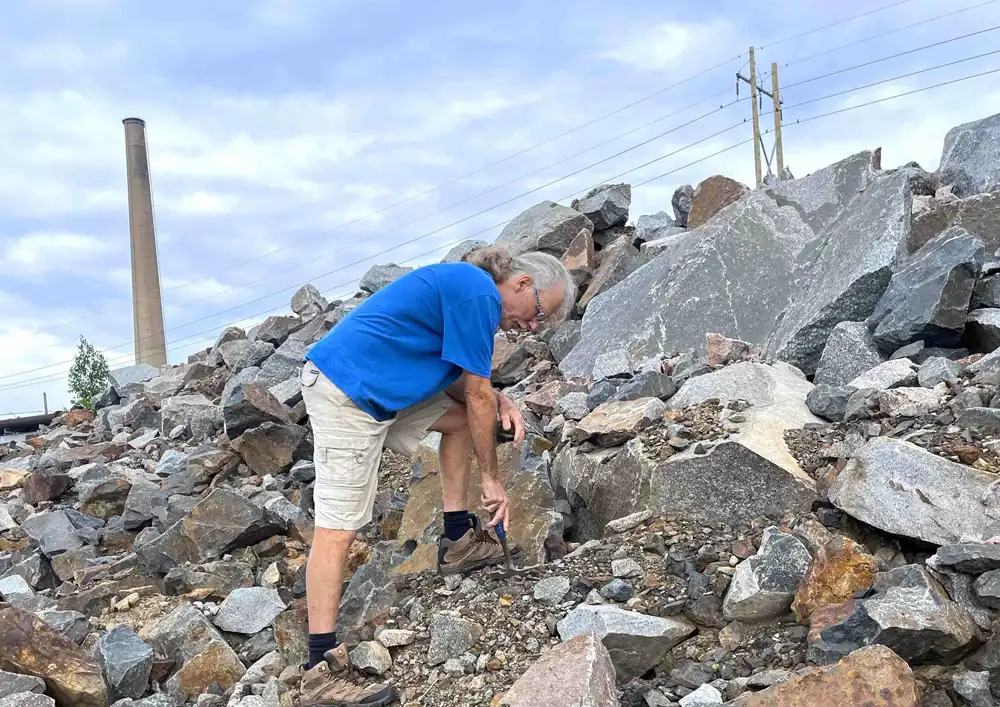
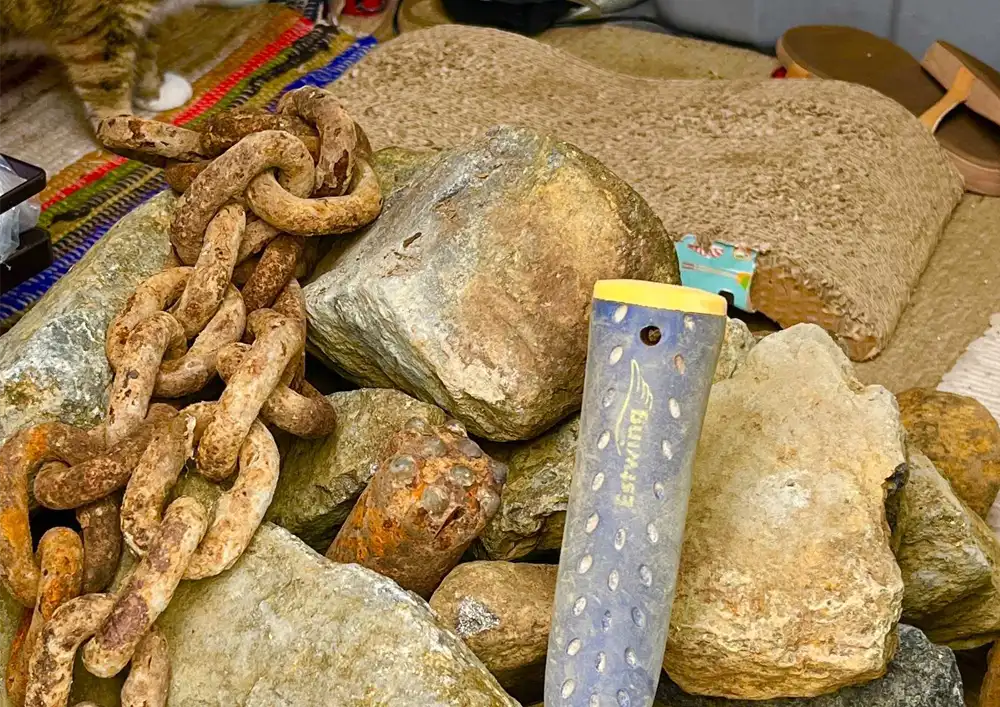
We are happy to announce that after a 30 year hiatus we have discovered a new location for this incredibly rare and exceptional materia. While studying the Sudbury Impact Complex in the mid-1990s we found a small outcrop that produced some astounding specimens of this unusual material. Before we knew it, however, serious collectors had bought every last piece we found! Alas, when we went back some months later, the location was a bust and we came up empty-handed. For several years now we have been searching for a new site and, finally, in early 2025 we found one! But be forewarned – while this location shows promise, it is still a very finite resource! We have no way of knowing when this site will run dry. We extracted only about 45 pounds this summer, which is not a lot of material considering how dense it is.
HOW IT FORMED
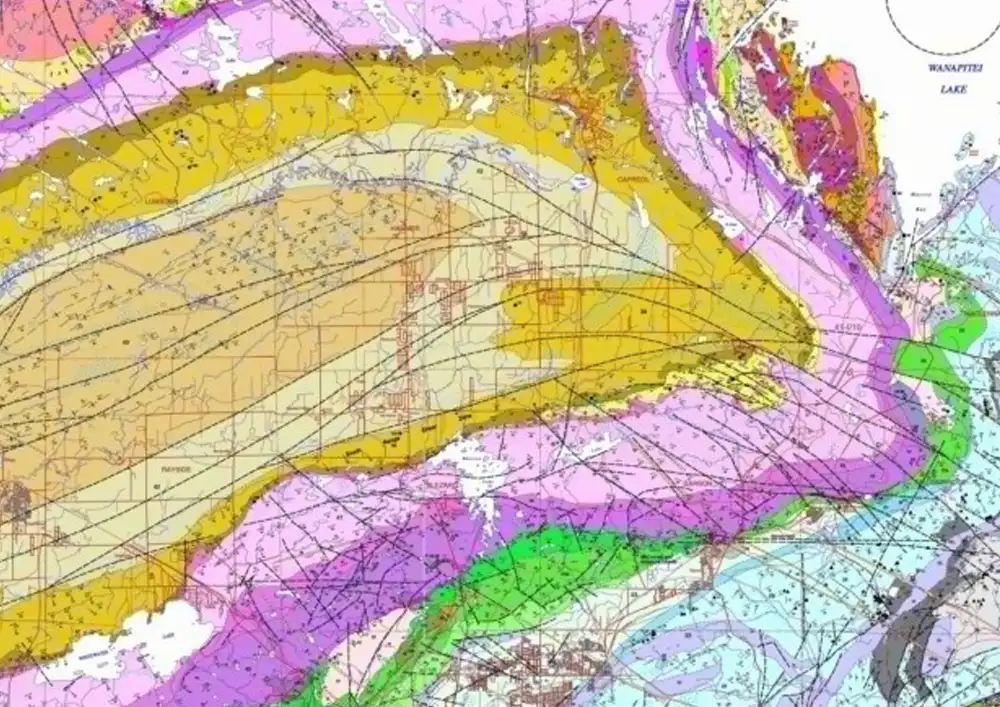
About 1.85 billion years ago, one of the largest meteors ever to hit Earth obliterated a huge area of Ontario. It was estimated to be over 10 miles in diameter when it struck and formed a crater 160 miles long. The Sudbury Impact is considered one of the biggest collisions ever on Earth. If such a meteor hit the East Coast today, the entire area from New York City to DC would be obliterated. This impactite, collected exclusively by Pacific GeoLab, is a direct result of the impact event.
When the meteor hit, all the crustal rocks in the impact zone instantly vaporized. This abrupt removal of the crust created an open pathway for magma to rise up from as deep as 1,800 miles below the surface, bringing with it elements that comprise Earth’s very core – copper, iron, and most importantly, nickel. It is the nickel for which Sudbury is famous. As a result of the impact, Sudbury has some of the highest concentrations of nickel on the surface of the planet. Super rich nickel ore – pentlandite – was discovered here in the mid-1800s.
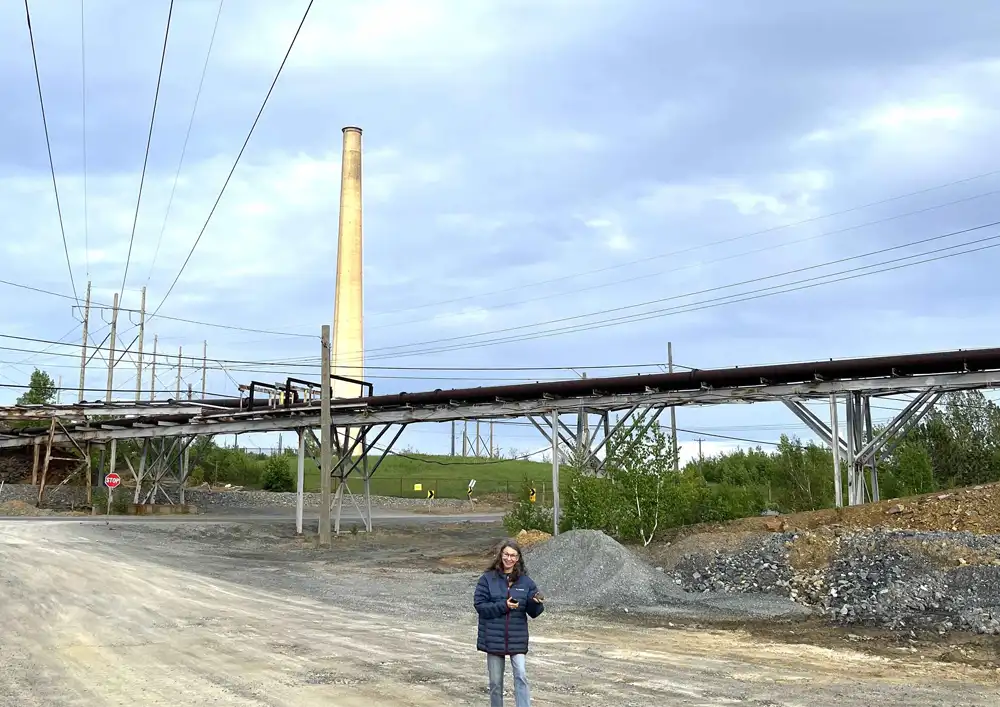
Smelting of the ore meant burning a lot of coal, which led to severe air pollution and acid rain. Within a few short years the area around the smelters became a “dead zone” where all the forest and most of the flora was poisoned and died. Even the lichens disappeared! There was nothing but bare rock for miles around. The townspeople were up in arms. In an astoundingly short-sighted move, the refining company decided the solution to the problem was to build a taller smokestack to diffuse the pollution and quell the resident’s discontent.
By the early 1970s the 1,250-foot high “Superstack” was in service. Despite being the tallest smokestack in the world, it didn’t solve the problem. In fact, it got worse: Now the dead zone extended to a 20-mile radius around the town. Once the problem was exposed for what it was, the government and industry developed a program to correct it by discontinuing the use of coal and installing scrubbers on the smelters. Now the plants are returning and Sudbury is becoming green again.
-
Sudbury Impactite (1)
Notes specific to this specimen:
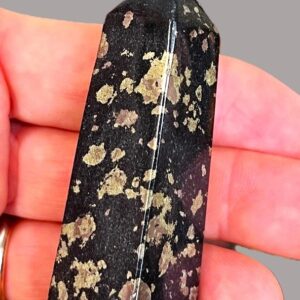
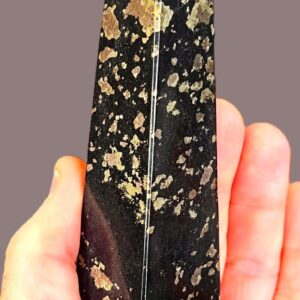
You’ve never seen this before! Why? Because we are the only source for it. These striking Sudbury specimens are cut to reveal the lustrous nickel and copper ore crystals scattered across its dark magmatic matrix. The flashy metallic patches catch the light beautifully, highlighting this classic mega-impact site whose resulting nickel–copper ore made Sudbury world-famous. A rare and powerful authentic piece of Canadian geology from 1.8 billion years ago.We are offering only a very limited number of specimens of this material. Most will be in the form of obelisks because they show off the mineralization patterns very clearly. At present we are offering only two different size obelisks. This is the smaller one. The photos here are typical of this size. But you may not get this exact piece! Please keep in mind there is variation from piece to piece and the one you get may differ slightly from what is seen here. However, these photos are a good representation of what you can expect. Of course, as always, we guarantee your satisfaction or your money back
SIZE: 2.5″ – 3.75″ tall
NAME: Sudbury Impactite
MINERALS: Pentlandite (nickel) & Chalcopyrite (copper)
AGE: Paleoproterozoic Era – 1.85 billion years
UNIT: Sudbury Impact Complex
SITE: Sudbury, Ontario, CanadaDocumentation: This specimen comes with a Certificate of Authenticity and Origin. In addition, an informative display card accompanies the specimen.
$185.00Sudbury Impactite (1)
$185.00 -
Sudbury Impactite (2)
Notes specific to this specimen:
You’ve never seen this before! Why? Because we are the only source for it. These striking Sudbury specimens are cut to reveal the lustrous nickel and copper ore crystals scattered across its dark magmatic matrix. The flashy metallic patches catch the light beautifully, highlighting this classic mega-impact site whose resulting nickel–copper ore made Sudbury world-famous. A rare and powerful authentic piece of Canadian geology from 1.8 billion years ago.We are offering only a very limited number of specimens of this material. Most will be in the form of obelisks because they show off the mineralization patterns very clearly. At present we are offering only two different size obelisks. This is the larger one. The photos here are typical of this size. But you may not get this exact piece! Please keep in mind there is variation from piece to piece and the one you get may differ slightly from what is seen here. However, these photos are a good representation of what you can expect. Of course, as always, we guarantee your satisfaction or your money back.
SIZE: 4″ – 6″ tall
NAME: Sudbury Impactite
MINERALS: Pentlandite (nickel) & Chalcopyrite (copper)
AGE: Paleoproterozoic Era – 1.85 billion years
UNIT: Sudbury Impact Complex
SITE: Sudbury, Ontario, CanadaDocumentation: This specimen comes with a Certificate of Authenticity and Origin. In addition, an informative display card accompanies the specimen.
$345.00Sudbury Impactite (2)
$345.00